
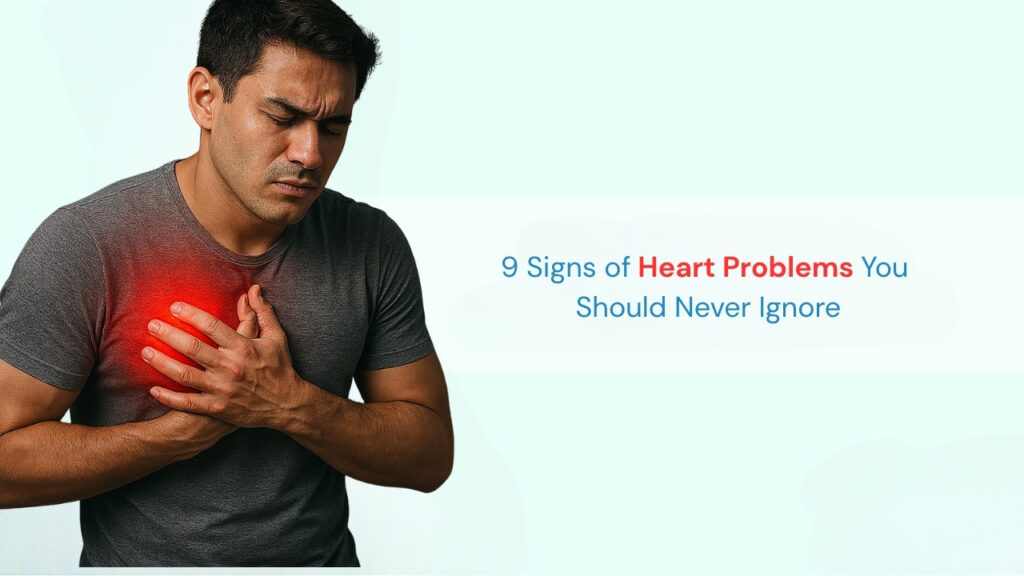
9 Signs of Heart Problems You Should Never Ignore
Our hearts usually work in quiet loyalty, asking for very little while carrying us through every hour of the day. Yet when something begins to go wrong, the body often sends gentle signals before a crisis appears. Learning to notice those signs can bring calm, clarity, and timely care. Moreover, guidance from the American Heart Association continues to stress that warning symptoms are not always dramatic; sometimes they are subtle, unusual, and easy to dismiss.
For those seeking expert cardiac care, consulting one of the best heart specialists in Indore, such as Dr. Deepesh Kothari, can make a significant difference in early diagnosis and effective treatment.
Why Early Warning Signs Matter
Heart problems do not always arrive suddenly. In many cases, the body gives clues that something may be wrong. These clues are sometimes mistaken for tiredness, acidity, stress, or simple weakness. Because of that, many people delay seeking help. Paying attention to changes in the body can lead to earlier diagnosis, better treatment, and improved recovery. A calm and informed approach is always better than neglect.
Chest Discomfort: The first and most recognized sign is chest discomfort. This may feel like pressure, tightness, squeezing, heaviness, or fullness rather than sharp pain. In many people, it lasts for several minutes or comes and goes.
Pain Spreading to Other Areas: A second sign is pain spreading to the arm, shoulder, back, neck, jaw, or stomach. Heart-related pain does not always stay in the chest, which is why many people mistake it for muscle strain or acidity.
Shortness of Breath: A third sign is shortness of breath, whether it appears during activity, at rest, or while lying down. Breathlessness can accompany chest discomfort, but it may also arrive on its own.
Unusual Fatigue: A fourth sign is unusual fatigue. This is not ordinary tiredness after a long day; it can feel deep, heavy, and disproportionate to your routine. Current public health guidance also notes that women may experience fatigue more prominently than the classic crushing chest pain many people expect.
Dizziness, Lightheadedness, or Fainting: The fifth sign is dizziness, lightheadedness, or fainting. These symptoms may suggest reduced blood flow, rhythm disturbance, or strain on the heart.
Palpitations: The sixth is palpitations, often described as fluttering, racing, pounding, or an irregular heartbeat. While palpitations can have harmless causes, they should be assessed when they are frequent, prolonged, or linked with weakness, breathlessness, or chest discomfort.
Swelling (Feet, Ankles, Legs, or Abdomen): The seventh sign is swelling in the feet, ankles, legs, or abdomen. This can happen when the heart is not pumping efficiently and fluid begins to collect.
Cold Sweating, Nausea, or Vomiting: The eighth is cold sweating, nausea, or vomiting, especially when these appear with chest pressure or breathlessness.
Reduced Exercise Tolerance: The ninth sign is a noticeable decline in exercise tolerance—for example, becoming exhausted during a short walk, climbing a few stairs with difficulty, or feeling weaker than usual without clear reason. These changes deserve attention, even when they seem mild.
Important Update: Symptoms Can Differ for Everyone
A recent and important update in patient education is the repeated reminder that heart trouble does not look identical in everyone. Some people, especially women, older adults, and individuals with diabetes, may have quieter symptoms or no chest pain at all. Because of that, a calm response matters: do not ignore persistent or unusual body messages. Seek urgent medical help immediately for chest pressure, spreading pain, sudden breathlessness, fainting, or symptoms that feel intense or unfamiliar. Early attention can protect the heart and, very often, save a life.
